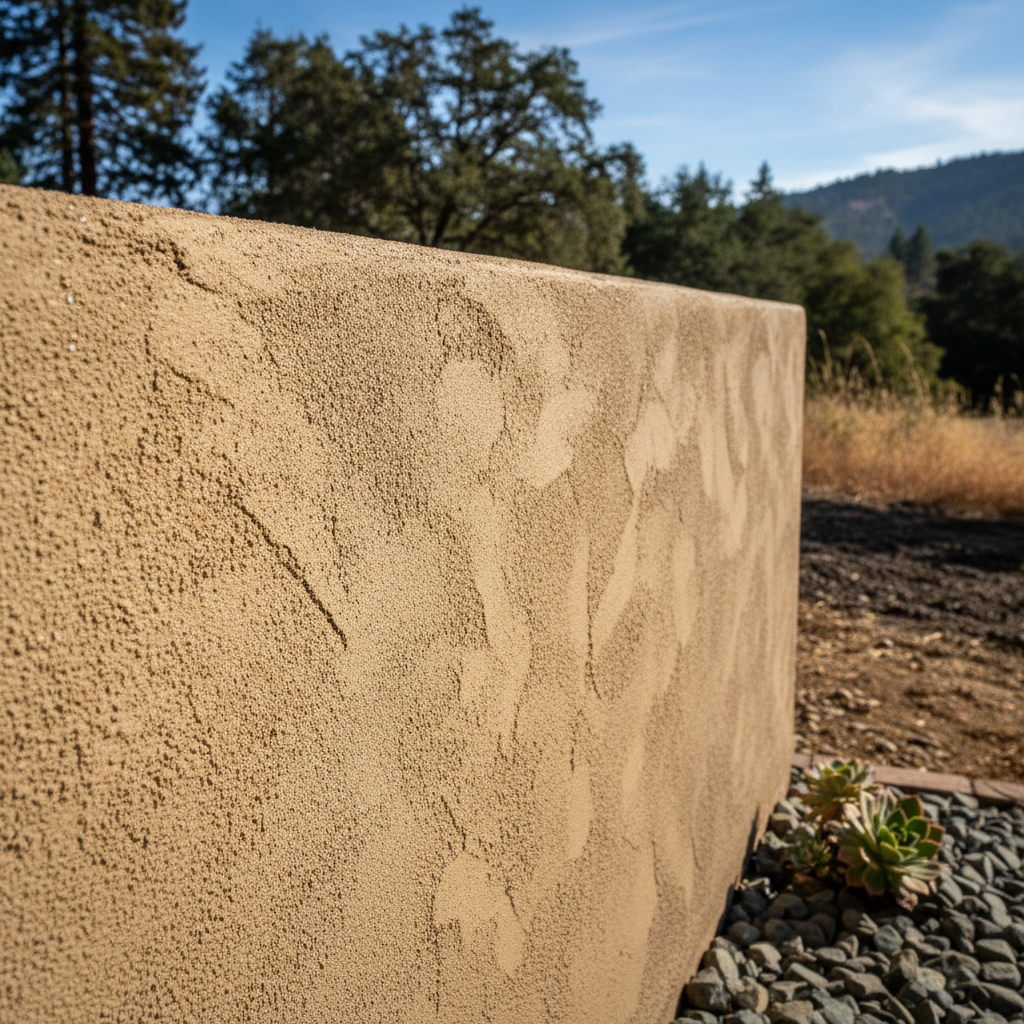
Thinking About Stucco for Your Felton Home?
So, you're eyeing stucco for your house, huh? Maybe your old siding's seen better days, or perhaps you're building new and really like the look and durability stucco offers. It's a solid choice for a lot of reasons, especially here in Felton where we get those damp, misty mornings and hot, dry summers. But before you grab a trowel — hold on a second. Let's get real about what actually goes into a good stucco job, and what you, as a homeowner, can realistically tackle yourself versus when it's just plain smarter to call in a professional.
Before You Start: Planning and Prep
This is where you can save yourself a ton of headaches, whether you're doing it yourself or hiring someone. First off, you've got to understand your local building codes. You're in Santa Cruz County, after all, so there are specific requirements for things like weep screeds, flashing, and how many layers of paper you need. Seriously, don't skip this step; a permit might even be required, and doing it wrong can lead to some pretty serious water intrusion issues down the line. Trust me, I've seen plenty of homes, especially those tucked into the redwoods around Zayante, where improper flashing caused big problems.
Next up, get that surface ready. If you're going over old siding, you'll probably need to rip it off. If it's new construction, you're likely dealing with sheathing. The key? That surface needs to be clean, dry, and structurally sound. This is a huge one for DIYers: don't skimp on the prep. Any loose debris, uneven spots, or moisture issues will absolutely show through your stucco later, causing cracks or adhesion problems. You can definitely handle the demo and cleaning yourself, no problem. Just make sure you're thorough.
And hey, think about your budget too. Stucco materials aren't exactly cheap, and if you're renting equipment like a mixer or scaffolding, that adds up fast. For a DIY job, you're basically trading your time for labor costs. For a pro, you're paying for their expertise, their equipment, and their efficiency — which is often worth it.
The Installation Process: Where DIY Gets Tricky
Alright, let's talk about the actual application. This is where the line between DIY and professional really blurs, and for good reason. Stucco isn't just about slapping mud on a wall; it's a multi-layered system that's designed to protect your home. Pretty important stuff, right?
Here's a simplified breakdown of the traditional three-coat system:
- Weather Resistive Barrier (WRB): This is usually two layers of building paper or a synthetic wrap. It's your primary defense against water. You can absolutely install this yourself. Just make sure it's shingled properly so water sheds down, not in.
- Lath: Metal lath (think chicken wire or expanded metal) goes over the WRB. It gives the stucco something to grab onto. Again, you can install this. It's tedious, requires a lot of fasteners, and you need to be precise, but it's doable.
- Scratch Coat: This is the first layer of cement plaster. You push it into the lath and then